1. Trying to see the whole country in 7 days
The classic: Arenal, Monteverde, Manuel Antonio, the Caribbean, and maybe the Osa — all in one week. On a map it looks doable. On the road, you're spending half your vacation in a car, checking in and out every other day, and never actually experiencing any one place.
The fix: two bases for a week, three max. Pick one inland spot (Arenal or Monteverde) and one coast, and give each one room to breathe. You'll swim more, stress less, and actually remember the trip. The rest of the country will still be there next time — and there will be a next time.
2. Underestimating drive times
"It's only 80 miles" is the sentence every first-timer says once. Distances in Costa Rica are short and roads are slow — mountain curves, trucks, one-lane bridges, and road work turn what looks like a two-hour drive into four. Google Maps' optimistic times assume a clear road at a steady speed you will not get.
The fix: add 50% to any estimate and never plan a tight same-day connection (like a flight) after a long drive. Check Waze the morning you drive — it's the real-time truth here. And plan to arrive at your next base by mid-afternoon, not after dark.
3. Skipping the rental-car insurance fine print
The online quote looks great. The counter is where the number changes — Costa Rica has mandatory liability insurance plus strongly-pushed collision tiers, and many credit cards that cover rentals elsewhere exclude Costa Rica. People arrive expecting one price and drive off paying much more, or refuse coverage they actually needed and gamble the whole trip.
The fix: before you reserve, read exactly what's included, what's mandatory, and what your card actually covers here (call the card company — don't guess). Budget the real total, not the advertised rate. This is the single most common money surprise in the country.
4. Exchanging money at the airport
Tired, excited, just landed — and the exchange counter is right there. The rate is poor and it stays poor. The same habit repeats at beach-town exchange desks and in shops that happily take your dollars at their own made-up rate.
The fix: pay in colones by card wherever you can (a card with no foreign-transaction fee is ideal) and use an ATM for a small amount of cash for sodas, markets, and small vendors. Skip the airport counter entirely — walk past it like it isn't there.
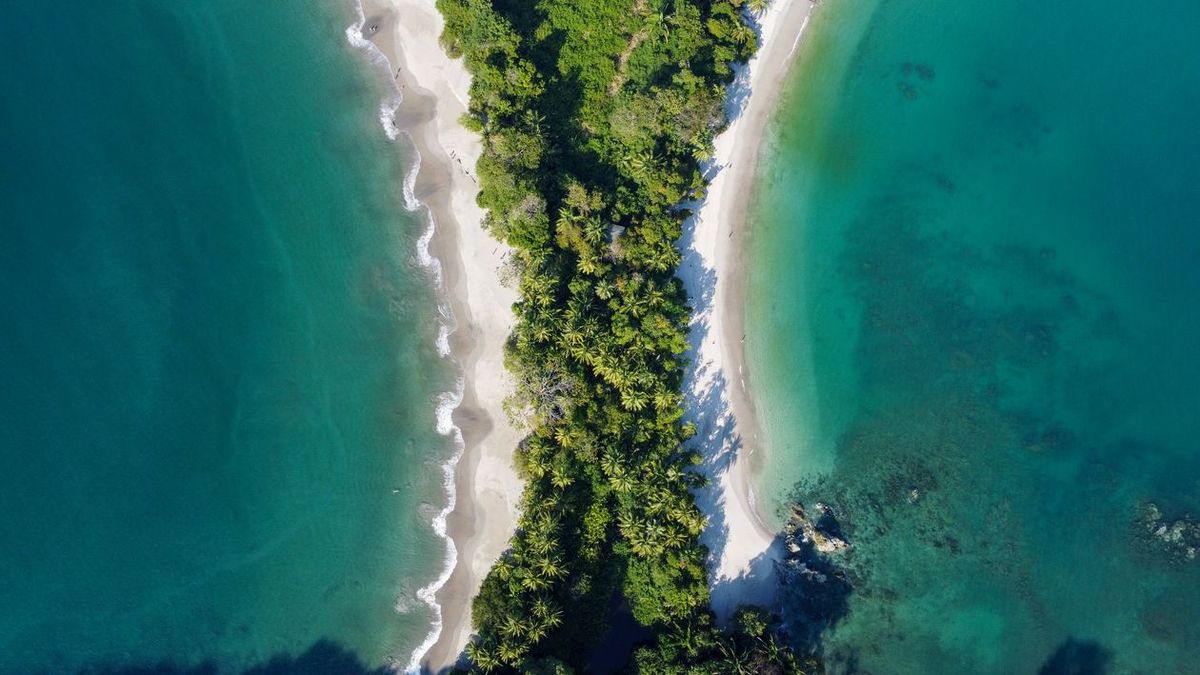
5. Assuming every beach is swimmable
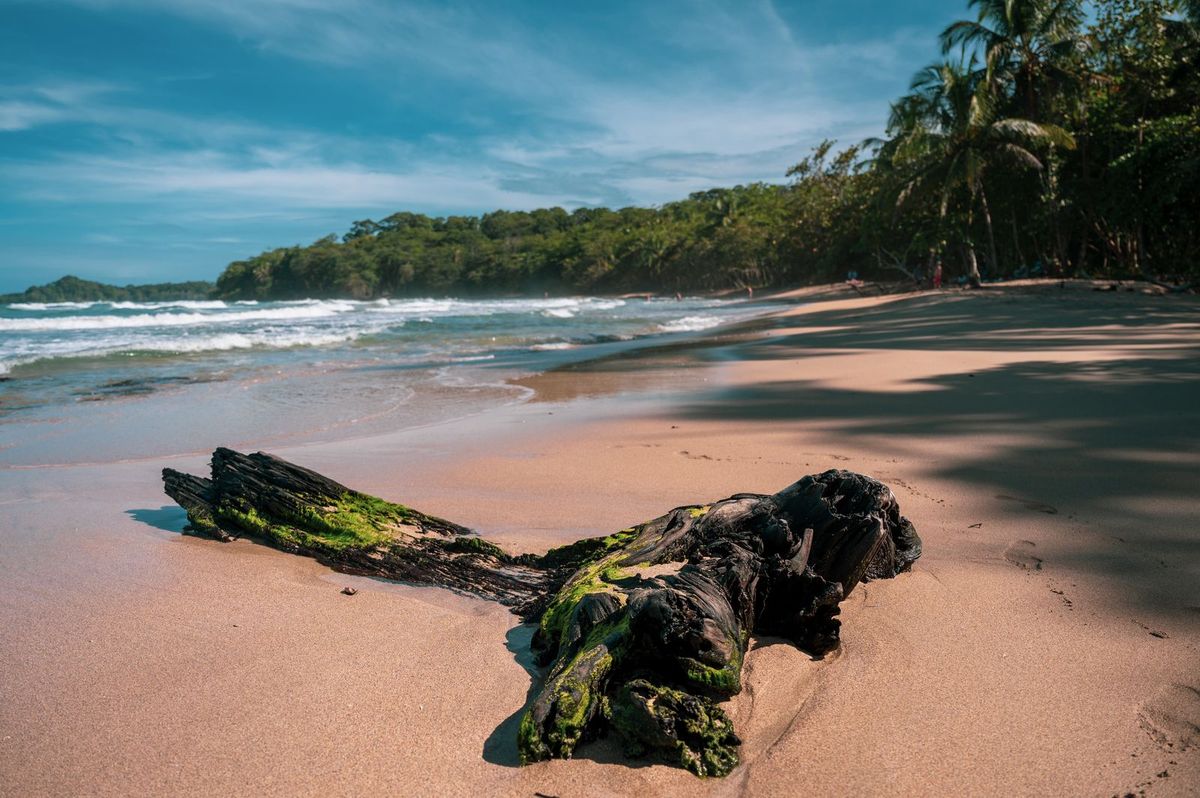
The photos show paradise; the water sometimes has other plans. Many Pacific beaches have strong currents and rips that aren't visible from shore, and a calm-looking surface can hide a pull that exhausts even good swimmers. Every year, visitors underestimate this — it's the most dangerous assumption on this list.
The fix: read our rip-currents guide before you pick beaches, ask locals where the safe swim spots are, and treat an unguarded beach with no swimmers as information, not an invitation. Choose your bases around genuinely swimmable beaches when you're traveling with kids.
6. Packing for sunshine in green season
People pack for a beach week and then October gives them a week of afternoon downpours. The trip isn't ruined — the rain is part of the rhythm — but wet socks, one soggy pair of shoes, and no rain shell will make it feel ruined.
The fix: quick-dry everything, a real rain shell, and sandals or water shoes you can get soaked. A dry bag for the phone and camera costs almost nothing and saves the trip's photos. Plan morning activities, hammock the afternoons, and you'll wonder why you worried.
7. Eating every meal in the tourist zone
Breakfast, lunch, and dinner at waterfront restaurants for seven days — the bill at the end looks like a second plane ticket. The food is often good; the math is just brutal, especially for families. Meanwhile the soda five streets inland serves the casado the restaurant staff eats for a fraction of the price.
The fix: rent a place with a kitchen and cook breakfasts and snacks, eat lunch at sodas and markets, and save restaurants for dinners. You don't have to give up good food — you just stop paying tourist-zone prices for toast.
8. Booking tours through the hotel without checking direct
The front desk is happy to book your canopy tour, night walk, or boat trip — and happy to take a cut. Nothing wrong with the convenience, but the operator's own price is the real price, and the difference is sometimes embarrassing.
The fix: find the operator (Google Maps reviews are your friend) and book direct. Ask what the hotel rate includes before you accept it. Same tour, same guide, lower price — or the savings buy you an extra activity day.
Questions people ask
What's the #1 first-timer mistake?
Trying to see the whole country in one week. It turns the trip into a driving tour with hotel check-ins as the main activity. Two bases for seven days — one inland, one coast — and you'll have a better trip than someone who "did" five regions.
How many places should I stay in a week?
Two. Three only if you're comfortable losing a day to each move. Every transfer costs you a grocery restock, a check-in wait, and a half-day of driving — they add up fast in a country where roads are slow.
What should I book in advance vs leave flexible?
Book ahead: flights, Semana Santa or holiday-season lodging, rental cars in dry season, and any tour with limited capacity (like Tortuguero boat slots in season). Leave flexible: most sodas-vs-restaurants decisions, beach days, and which paid activity goes on which day — green-season weather rewards a loose plan.